
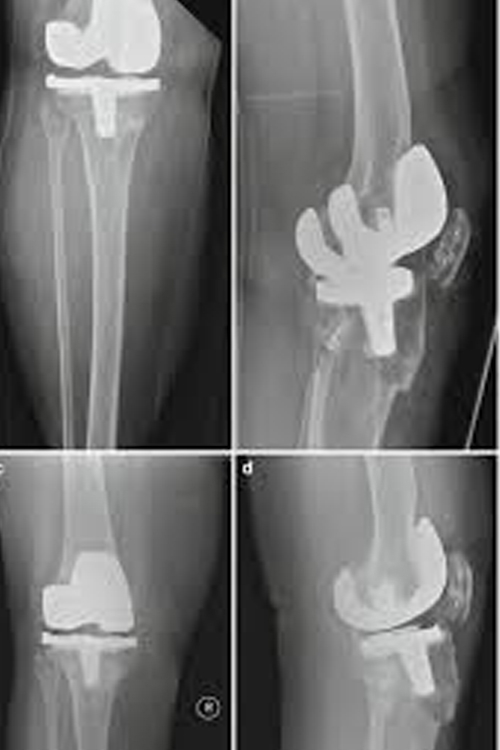
Complex and periprosthetic fractures are challenging orthopedic conditions that require careful assessment, detailed imaging, and individualized treatment planning. These injuries may involve multiple fracture fragments, damaged bone, joints, surrounding soft tissues, or areas close to an existing joint replacement.
Because these fractures can affect previously operated bones or the stability of an existing implant, treatment often requires specialized orthopedic expertise. The primary goals of treatment are to restore bone alignment, preserve joint function, achieve stable fixation, and support a safe return to mobility.
Complex fractures are injuries in which the bone is significantly damaged or the fracture involves multiple fragments, a joint surface, or surrounding soft tissues. Treatment depends on the location and severity of the fracture, bone quality, associated injuries, and the patient's overall health.
A periprosthetic fracture is a fracture that occurs around or near an existing orthopedic implant or joint replacement. These injuries can be particularly challenging because the fracture may affect the surrounding bone and the stability of the implant.
Periprosthetic fractures may occur around different types of joint replacements, including:
These fractures may occur following a fall, road traffic accident, sports injury, or other significant trauma. In some cases, weakened bone around an implant, osteoporosis, implant loosening, or previous surgical procedures may contribute to the risk of fracture.
Accurate diagnosis is essential for planning treatment. Evaluation generally includes a detailed clinical examination along with appropriate imaging studies such as X-rays and, when required, CT scans. The condition of the surrounding bone and the stability of any existing implant are important considerations when determining the most appropriate treatment strategy.
Treatment is individualized according to the fracture pattern, bone quality, location of the injury, condition of the surrounding tissues, and stability of the existing implant. Depending on the circumstances, treatment may involve fracture fixation using specialized plates, screws, or other fixation systems. In selected cases, revision or reconstruction of the existing joint replacement may also be required.
The overall aim of treatment is to achieve stable fracture fixation, restore appropriate alignment, protect joint function, and enable progressive rehabilitation. Early assessment by an experienced orthopedic specialist can help determine the most appropriate treatment pathway and reduce the risk of complications.