
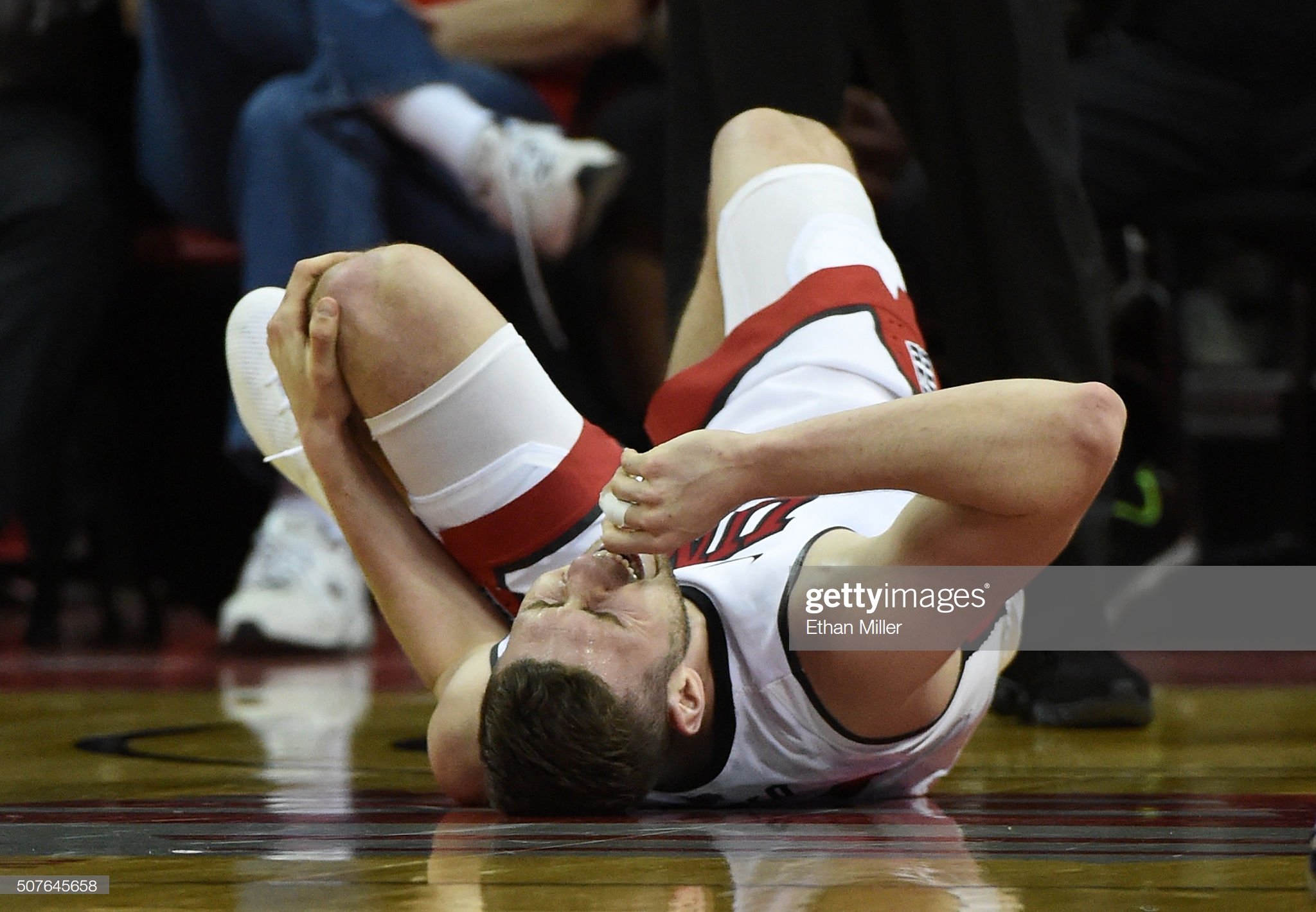
Knee ligament injuries are common in sports, falls, road traffic accidents and other situations involving sudden twisting or excessive force on the knee. Depending on the severity of the injury, treatment may range from structured rehabilitation and activity modification to surgical reconstruction or repair.
ACL reconstruction is a commonly performed procedure for patients with significant anterior cruciate ligament injuries, particularly when the knee remains unstable despite appropriate non-surgical treatment or when the patient wishes to return to activities involving pivoting and rapid changes in direction.
During ACL reconstruction, the damaged ligament is generally replaced with a tendon graft. Grafts may be obtained from the patient's own body, such as the patellar tendon or hamstring tendons, or from appropriately selected donor tissue. The choice of graft depends on several patient-specific and surgical factors.
Most ACL reconstruction procedures are performed using arthroscopic techniques. Small incisions are made around the knee through which a camera and specialized surgical instruments are introduced. The damaged ligament is addressed and the selected graft is positioned to restore stability of the knee.
The knee contains four major stabilizing ligaments: the anterior cruciate ligament (ACL), posterior cruciate ligament (PCL), medial collateral ligament (MCL) and lateral collateral ligament (LCL). Injuries may affect one ligament or occur as combined ligament injuries, sometimes along with meniscus, cartilage or other structures of the knee.
A detailed clinical examination and appropriate imaging are important for determining the location and severity of ligament damage. Early assessment is particularly important in complex or combined injuries so that an appropriate treatment and rehabilitation plan can be developed.
The anterior cruciate ligament is located inside the knee and plays an important role in controlling forward movement and rotational stability of the joint. ACL injuries commonly occur during sports involving sudden stopping, pivoting, landing or rapid changes in direction. They may also result from road traffic accidents or other high-impact injuries.
Treatment depends on the patient's symptoms, activity requirements, age, associated injuries and the degree of knee instability. Selected patients may improve with physiotherapy and activity modification, while surgical reconstruction may be recommended when instability persists or when there are additional structural injuries.
ACL reconstruction involves replacing the injured ligament with a suitable tendon graft. Following surgery, a structured rehabilitation programme is essential to restore range of motion, muscle strength, balance and functional knee stability.
The posterior cruciate ligament runs through the back portion of the knee and connects the femur to the tibia. It helps prevent excessive backward movement of the tibia and contributes to overall stability of the knee joint.
PCL injuries may occur following significant trauma, such as a direct impact to the front of the knee or high-energy accidents. Treatment is determined by the severity of the injury and whether other knee structures are also affected. Some injuries can be managed with rehabilitation, while persistent instability or complex injuries may require surgical treatment.
The medial collateral ligament is located on the inner side of the knee and helps protect the joint against excessive sideways movement. MCL injuries commonly occur when a force is applied to the outer side of the knee, causing the ligament to stretch or tear.
MCL injuries may occur in isolation or together with ACL, PCL or meniscus injuries. Many isolated MCL injuries can be treated with appropriate bracing, activity modification and physiotherapy. More severe or combined injuries require careful assessment to determine the most appropriate treatment.
The lateral collateral ligament is positioned on the outer side of the knee and provides stability against forces that may cause the knee to move outward. It extends from the femur toward the fibula and works together with other structures to maintain lateral stability.
LCL injuries may occur following a force applied to the inner side of the knee, sports-related trauma or high-impact accidents. These injuries can occur alone or as part of a more complex ligament injury involving multiple structures around the knee.
Common symptoms of an LCL injury may include:
Diagnosis begins with a detailed history and physical examination. Specific ligament stability tests are performed to identify the injured structure. Depending on the clinical findings, X-rays and MRI scans may be recommended to evaluate the ligaments, meniscus, cartilage and other structures within the knee.
Treatment is individualized according to the type and severity of the ligament injury. Non-surgical management may include rest, activity modification, bracing, medication when appropriate and physiotherapy. Surgical reconstruction or repair may be considered for selected patients with significant instability, complete tears or complex combined injuries.
Rehabilitation is an important part of treatment whether surgery is required or not. A supervised programme focuses on reducing swelling, restoring knee movement, improving muscle strength and gradually returning the patient to normal activities or sports according to individual recovery and clinical progress.
Persistent instability following a ligament injury can affect knee function and may increase stress on other structures of the joint. Early and appropriate evaluation helps identify associated injuries and allows a suitable treatment and rehabilitation plan to be established.