
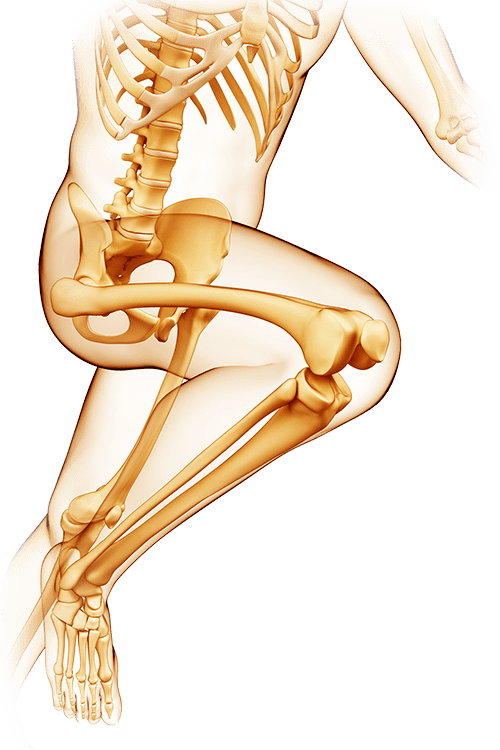
Pelvic and complex trauma can result from high-energy accidents, falls, sports injuries and other significant traumatic events. These injuries may involve the bones, joints, ligaments and surrounding soft tissues and often require careful assessment and coordinated orthopedic management.
Complex fractures may affect more than one part of the musculoskeletal system and can sometimes be associated with injuries to surrounding tissues. Early evaluation and appropriate treatment are important for restoring alignment, stability and functional mobility.
Pelvic and complex trauma includes a wide range of injuries, from isolated fractures to multiple and complicated orthopedic injuries. Treatment is planned according to the location, severity and pattern of the injury.
The pelvis is a strong ring of bones that supports the body and connects the spine with the lower limbs. Significant trauma can cause fractures of the pelvic ring or acetabulum, the socket portion of the hip joint. These injuries require detailed imaging and careful treatment planning because they may affect stability, alignment and hip function.
Complex fractures may involve multiple bone fragments, joint surfaces or associated soft-tissue injuries. High-energy trauma can also result in multiple fractures involving different areas of the body. Treatment may involve immobilization, fracture reduction, internal fixation or other orthopedic procedures depending on the individual injury.
Some orthopedic problems may develop when a fracture does not heal in the expected position or fails to heal adequately. Malunion refers to healing in an abnormal alignment, while non-union refers to failure of the fracture to achieve appropriate healing. Selected cases may require corrective or reconstructive treatment.
Bone infection, including post-traumatic osteomyelitis, can also occur in certain complex injuries, particularly when there is an open fracture or previous surgery. Management may require a combination of surgical treatment, infection control and appropriate rehabilitation.
Symptoms vary depending on the location and severity of the injury. Common signs may include:
Evaluation begins with a detailed clinical examination and assessment of the mechanism of injury. X-rays, CT scans and, when required, MRI or other imaging investigations may be used to understand the fracture pattern and identify associated injuries.
Treatment depends on the type and severity of trauma. Depending on the injury, management may include immobilization, fracture reduction, casting or bracing, external fixation, or surgical fixation using plates, screws, nails or other orthopedic implants.
Following treatment, rehabilitation and physiotherapy are important for restoring movement, muscle strength, balance and functional mobility. The rehabilitation programme is individualized according to the injury, treatment performed and patient's recovery.
Complex trauma can involve multiple structures and may require specialized treatment planning. Prompt orthopedic evaluation helps identify the extent of the injury, establish appropriate treatment priorities and support the best possible functional recovery.