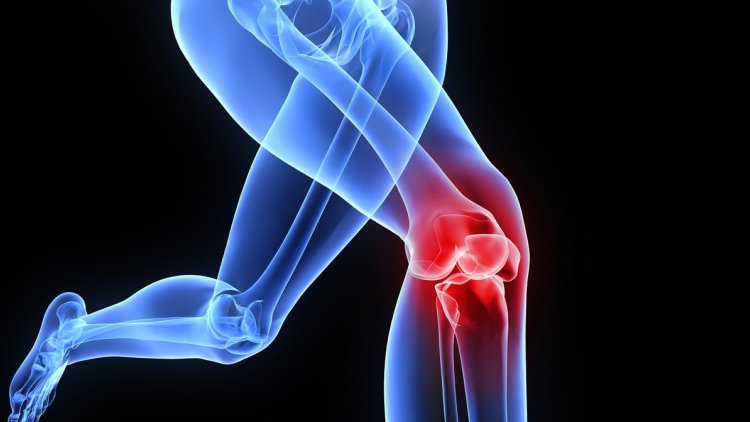
Articular cartilage is a smooth, resilient layer of tissue that covers the ends of bones within a joint. It provides a low-friction surface that allows bones to move smoothly against one another while also helping absorb and distribute mechanical stress during daily activities.
Articular cartilage may become damaged due to sports injuries, trauma, repetitive stress, joint instability, or gradual age-related wear. Unlike many other tissues in the body, cartilage has a limited ability to heal on its own because it has very little blood supply. Untreated cartilage damage may progressively cause pain, swelling, stiffness, and reduced joint function.
Treatment for articular cartilage damage depends on several factors, including the patient's age, activity level, location and size of the cartilage defect, symptoms, and the presence of associated ligament or meniscal injuries. Mild or early cartilage problems may often be managed with non-surgical treatment, while more significant defects may require a cartilage restoration procedure.
When surgery is recommended, many cartilage procedures can be performed using arthroscopic techniques. Arthroscopy involves inserting a small camera and specialized instruments through small incisions around the joint. This allows the surgeon to accurately assess the cartilage and address the damaged area while minimizing disruption to surrounding tissues.
Depending on the condition, procedures may involve smoothing damaged cartilage, stimulating the formation of new cartilage-like tissue, or transferring healthy cartilage to the affected area. In some patients, cartilage treatment may also need to be combined with procedures addressing associated meniscal, ligament, or alignment problems.
The recovery period varies according to the type of procedure performed and the extent of cartilage damage. Rehabilitation and physiotherapy play an important role in restoring movement, strength, joint stability, and function. Your doctor will discuss the available treatment options and recommend a plan tailored to your individual condition and functional goals.