
The rotator cuff is a group of four muscles and their tendons that surround the shoulder joint. These structures connect the upper arm bone (humerus) to the shoulder blade and play an important role in keeping the shoulder stable while allowing a wide range of movement.
The four rotator cuff muscles are the supraspinatus, infraspinatus, teres minor and subscapularis. Their tendons work together to support shoulder movement during activities such as lifting, reaching, pushing and rotating the arm.
A rotator cuff injury can involve inflammation, irritation or a partial or complete tear of one or more tendons. These problems may develop gradually because of repeated shoulder use or may occur suddenly following a fall, sports injury or other trauma.
Rotator cuff problems can occur due to repetitive overhead activities, sports, occupational strain or age-related changes in the shoulder. Repeated stress can gradually weaken the tendons, while an acute injury can result in a sudden tear.
Symptoms may vary depending on the type and severity of the injury. Common symptoms include:
Diagnosis begins with a detailed medical history and physical examination. The shoulder is assessed for pain, strength, range of motion and stability. Specific clinical tests may help identify which rotator cuff structure is affected.
Imaging investigations may be recommended when required. X-rays can help identify changes in the bones, arthritis or bone spurs, while MRI and ultrasound can provide detailed information about the rotator cuff tendons and other soft tissues of the shoulder.
Treatment depends on the type of injury, severity of symptoms, functional requirements and overall condition of the shoulder. Many patients can initially be managed with activity modification, medication when appropriate and a structured physiotherapy programme.
Physiotherapy focuses on improving shoulder movement, strengthening the rotator cuff and surrounding muscles and restoring functional shoulder mechanics. Persistent pain, significant weakness or selected complete tendon tears may require surgical evaluation.
Rotator cuff repair is a procedure used to reattach a torn tendon to its original attachment on the upper arm bone. When surgery is indicated, the procedure is commonly performed using arthroscopic techniques through small incisions around the shoulder.
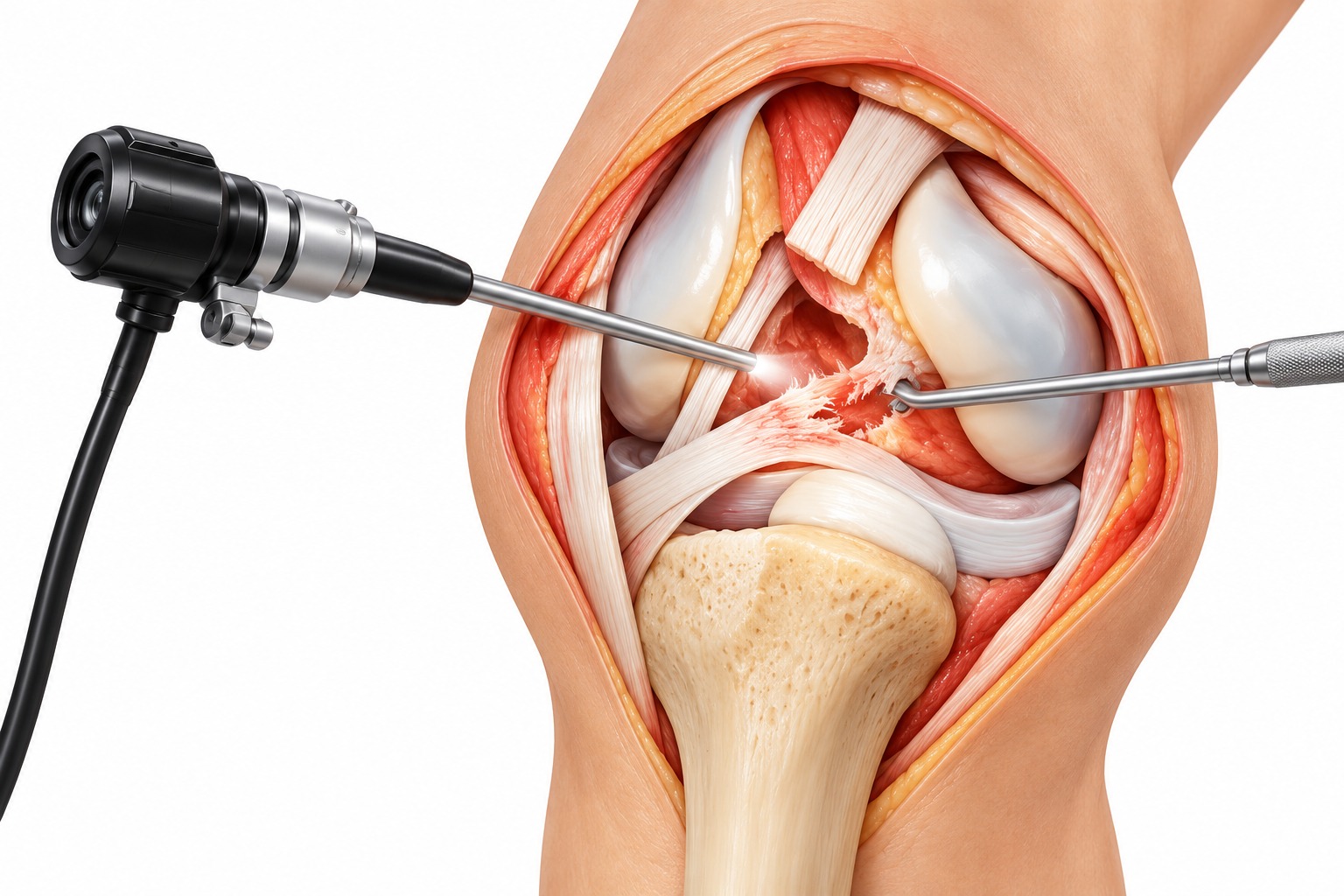
During arthroscopic surgery, a small camera is introduced into the shoulder joint to evaluate the rotator cuff and other structures. Specialized instruments are then used to prepare the tendon and bone and secure the torn tendon in its appropriate position using sutures and suture anchors.
Depending on the size and complexity of the tear and the condition of the surrounding structures, additional procedures may sometimes be required. These may include treatment of associated shoulder problems or removal of structures contributing to mechanical irritation.
Arthroscopic repair is performed through small incisions and generally allows the surgeon to inspect the shoulder joint and address associated abnormalities during the same procedure. The torn tendon is carefully mobilized and secured back to the bone using appropriate fixation techniques.
Recovery after rotator cuff treatment is gradual and depends on the size of the tear, type of procedure and individual healing response. Following surgical repair, the shoulder may initially require protection while the repaired tendon begins to heal.
A structured rehabilitation programme is an important part of recovery. Physiotherapy generally progresses from restoring safe shoulder movement to improving muscle strength and gradually returning to functional activities. The rehabilitation plan is individualized according to the surgical procedure and the patient's progress.
Persistent shoulder pain, weakness, difficulty raising the arm or symptoms following an injury should be evaluated by an orthopedic specialist. Early assessment can help identify rotator cuff damage and determine an appropriate treatment plan based on the condition of the shoulder.