
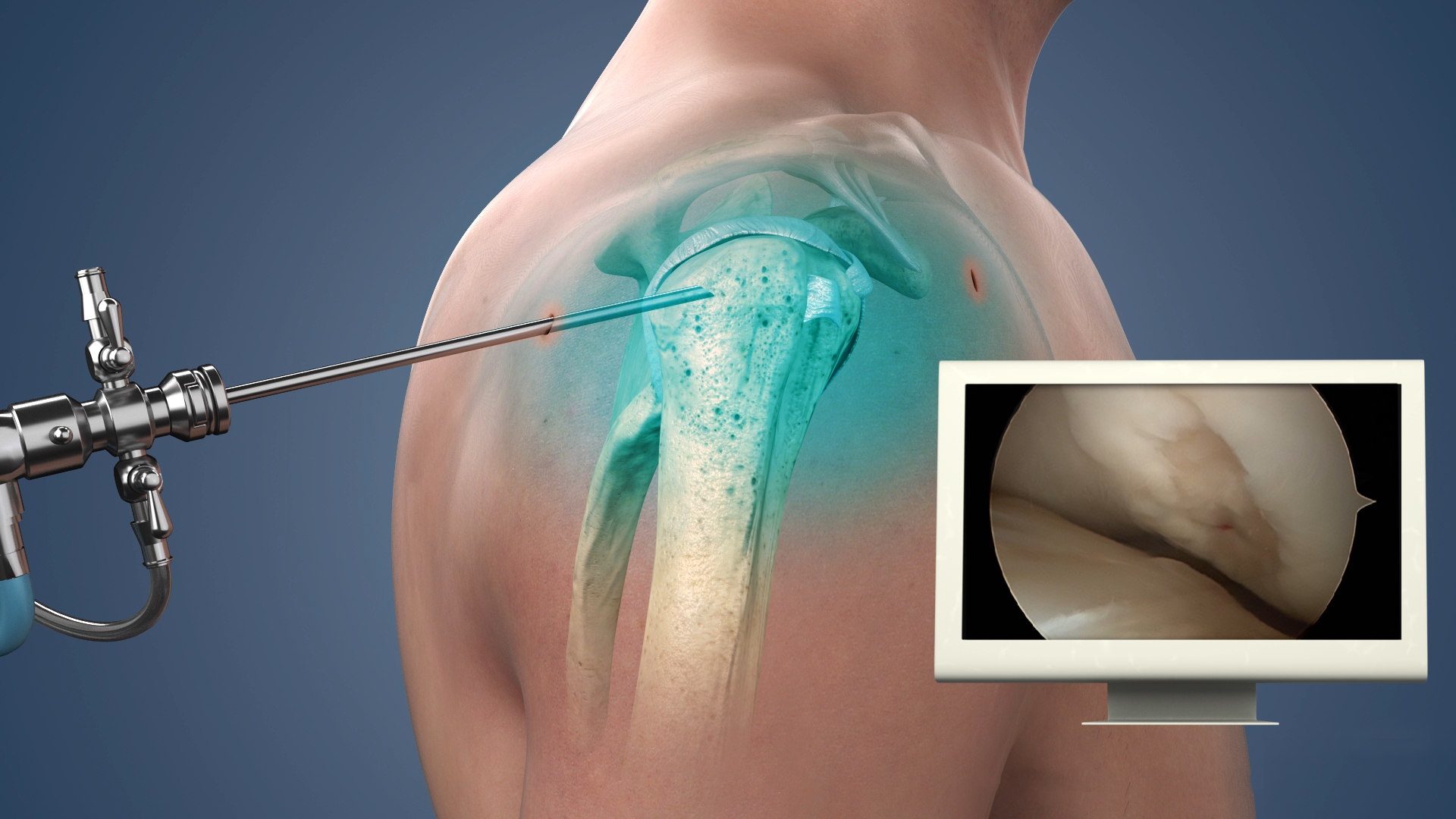
Shoulder arthroscopy is a minimally invasive surgical technique used to diagnose and treat a wide range of shoulder conditions through small incisions and a specialized camera. It can be used to manage conditions such as rotator cuff tears, shoulder instability, Bankart lesions, SLAP lesions, frozen shoulder, biceps tendon disorders, and other problems affecting the shoulder joint.
Depending on the condition and extent of the injury, advanced arthroscopic procedures such as Bankart repair, rotator cuff repair, and other stabilization procedures may be considered. In selected cases, procedures such as Latarjet or modified McLaughlin surgery may be recommended when arthroscopy alone is not sufficient.
Arthroscopic surgery generally involves smaller incisions and less disruption of surrounding soft tissues compared with many traditional open procedures. However, arthroscopy is not suitable for every shoulder condition. The choice between arthroscopic and open surgery depends on the diagnosis, severity of the problem, associated injuries, and the most appropriate treatment for the individual patient.
Rotator cuff tears can often be treated using shoulder arthroscopy. During the procedure, the damaged tendon is assessed and, when appropriate, repaired using specialized arthroscopic techniques. In selected cases, an open or combined approach may be considered based on the extent of the tear and the surgical requirements.
Shoulder instability and labral injuries, including Bankart and SLAP lesions, are commonly evaluated and treated arthroscopically. The damaged labral tissue may be repaired and the stability of the shoulder restored. Following surgery, a structured rehabilitation program is essential to allow the repaired tissues to heal properly.
Persistent shoulder bursitis or impingement symptoms that do not improve with appropriate non-surgical treatment may require arthroscopic treatment. The procedure may involve removing inflamed bursal tissue and addressing structures contributing to irritation around the rotator cuff, when clinically indicated.
The biceps tendon may become inflamed or damaged either as an isolated problem or along with rotator cuff tears, labral injuries, or shoulder impingement. When the tendon is a significant source of pain, procedures such as biceps tenodesis may be considered to relieve symptoms and improve shoulder function.
Frozen shoulder is usually managed initially with non-surgical treatment, including physiotherapy and exercises. In patients with persistent stiffness and symptoms despite appropriate conservative management, arthroscopic release may be considered. A structured rehabilitation program after surgery is particularly important to maintain the range of motion and reduce the risk of recurrent stiffness.
Arthritis of the acromioclavicular (AC) joint can cause localized shoulder pain, particularly during overhead activities and cross-body movements. When symptoms remain significant despite non-surgical treatment, arthroscopic procedures may be considered to address the affected joint and relieve mechanical irritation.
Recovery after shoulder arthroscopy depends on the type of procedure performed and the tissues that have been repaired. Because arthroscopic surgery may involve less disruption than open surgery, patients may sometimes feel better before the repaired tissues have fully healed. It is therefore important to follow the recommended activity restrictions, exercises, and physiotherapy schedule carefully.
Rehabilitation is especially important following procedures such as rotator cuff repair and labral repair. Gradual progression of movement and strengthening helps protect the repair while restoring shoulder mobility, strength, and function.
Shoulder arthroscopy is generally considered a safe procedure, but, like any surgery, it may have potential risks. These can include infection, bleeding, stiffness, persistent pain, nerve or blood vessel injury, and the need for prolonged rehabilitation. Some patients may develop significant postoperative stiffness requiring additional treatment.
A detailed evaluation before surgery helps identify the underlying shoulder problem and determine the most appropriate treatment approach. The expected benefits, limitations, rehabilitation requirements, and potential risks should be discussed with the treating orthopedic surgeon before proceeding with surgery.