
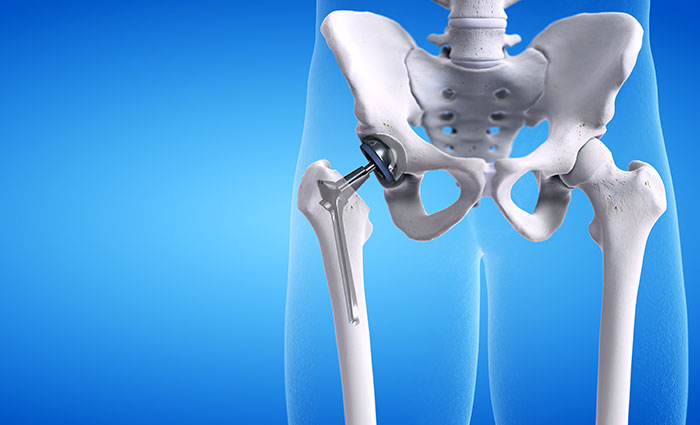
Total hip replacement is a well-established orthopedic procedure used to treat advanced damage of the hip joint when pain, stiffness, and loss of movement significantly affect daily activities. During the procedure, the damaged portions of the hip joint are replaced with carefully selected artificial components.
Hip replacement may be recommended for patients with severe osteoarthritis, inflammatory arthritis, certain hip fractures, avascular necrosis, or other conditions that have caused significant deterioration of the joint.
The primary goals of hip replacement surgery are to relieve persistent pain, improve mobility, restore functional independence, and help patients return to their routine activities with greater comfort and confidence.
Other hip conditions, including selected fractures around the hip, hip dislocation, and associated injuries, may also require specialized orthopedic evaluation and treatment depending on the nature and severity of the condition.
Hip replacement is generally considered when significant joint damage causes persistent symptoms and non-surgical treatment no longer provides adequate relief. Common indications may include:
Hip replacement surgery involves removing the damaged portions of the hip joint and replacing them with artificial components designed to restore the function and movement of the joint. The procedure may be performed using different surgical approaches depending on the patient's anatomy, condition, and the surgeon's clinical assessment.
During the procedure, the damaged femoral head is carefully removed and prepared for placement of the femoral component. The damaged surface of the hip socket is also prepared, and an artificial acetabular component is positioned within the socket.
The replacement components are selected according to the patient's individual requirements and may consist of combinations of metal, ceramic, and highly durable medical-grade materials. The components are positioned to provide appropriate stability, alignment, and joint movement.
Depending on the patient's condition, age, bone quality, activity level, and clinical requirements, different hip replacement options may be considered. These can include:
Recovery following hip replacement is a progressive process. Early mobilization is encouraged when medically appropriate, followed by a structured rehabilitation program designed to restore strength, balance, mobility, and confidence.
Physiotherapy plays an important role in recovery and focuses on improving hip movement, strengthening the surrounding muscles, and gradually returning to everyday activities. The recovery timeline varies from patient to patient depending on overall health, surgical complexity, and rehabilitation progress.
Successful hip replacement can provide significant improvement in pain and mobility. Many patients experience better ability to walk, perform daily activities, and participate in appropriate physical activities following recovery.
A detailed clinical evaluation and appropriate imaging are essential before surgery to determine whether hip replacement is suitable and to plan the most appropriate treatment for each patient.